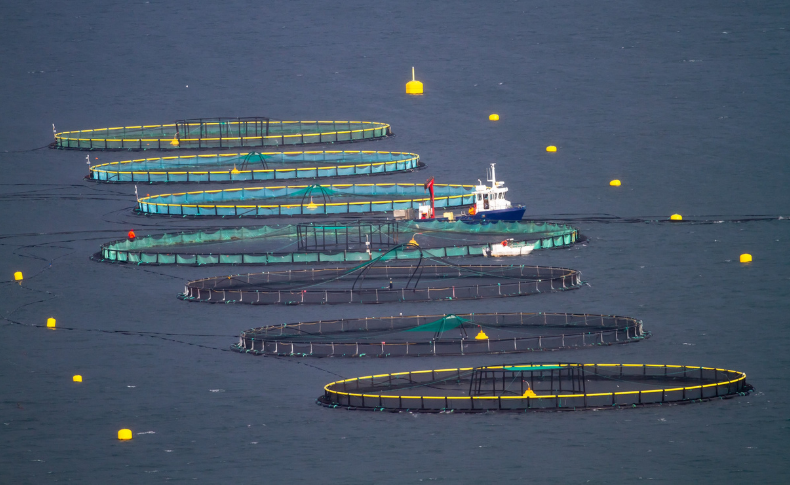
Successful aquaculture management relies on an integrated approach that balances animal health, productivity, and environmental sustainability. Key practices include regular monitoring of water quality—such as temperature, pH, oxygen, ammonia, and salinity adjusted to the needs of the cultured species. Proper nutrition is vital, using high-quality, species-specific feeds in accurate portions to support growth and minimize waste. Biosecurity measures, including quarantine, disease monitoring, and strict hygiene, help prevent the spread of illness. Thoughtful system design whether ponds, tanks, or recirculating aquaculture systems (RAS) enhances control and animal welfare. Maintaining optimal stocking densities reduces stress and encourages uniform development. Additionally, managing waste and treating effluents protect surrounding ecosystems. Adopting sustainable practices like integrated multi-trophic aquaculture (IMTA) further improves resource efficiency. By aligning operational, environmental, and health standards, aquaculture operations can thrive with resilience and long-term balance.
Our products